
Unresolved pressure fluctuations don't just annoy facility managers. They wear down pump components faster, waste water, and quietly inflate utility bills. In hospitals, hotels, and manufacturing plants, they can also disrupt patient care, guest comfort, or production lines.
This guide breaks down the most common causes of booster system pressure fluctuations, the warning signs to watch for, and prevention strategies that actually hold up over time.
Key Takeaways
- Common causes include air entrainment, faulty pressure switches, clogged filters or impellers, undersized tanks, and line leaks
- Left unchecked, fluctuations accelerate pump wear and raise unplanned downtime risk
- Prevent recurrence with correct component sizing, routine maintenance, and calibration checks
- Hold gains with documentation, staff training, and continuous system monitoring
Common Causes of Water Booster System Pressure Fluctuations
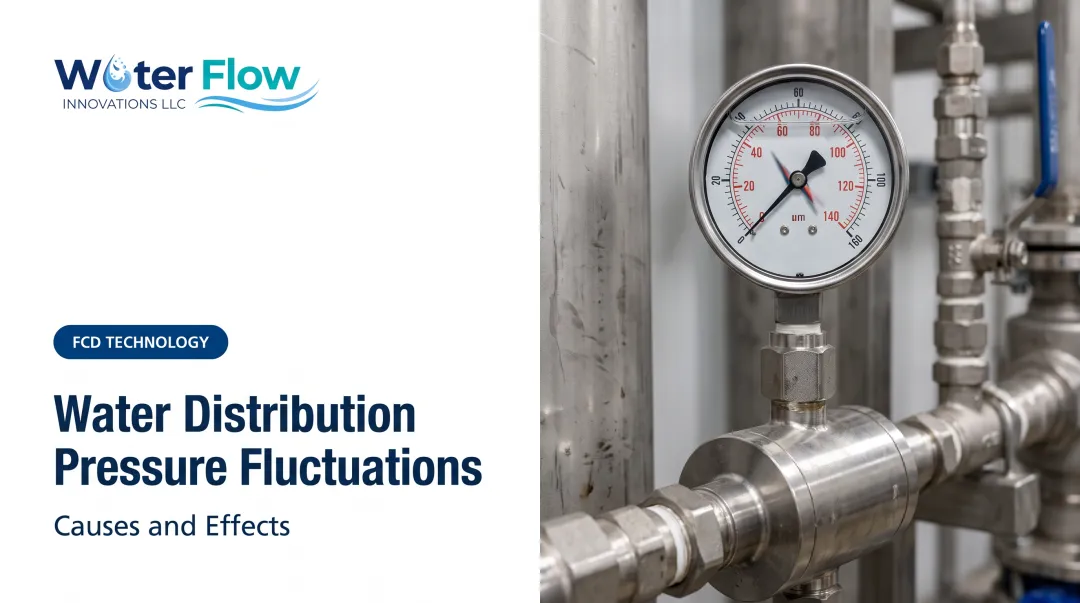
Pressure fluctuation in a booster system shows up as erratic gauge readings, rapid pump cycling, or uneven flow at fixtures during simultaneous demand. The root causes are almost always mechanical, electrical, or air-related, and they tend to overlap.
Air Entrainment in the System
Trapped air in pumps or piping is one of the most common triggers. Unlike cavitation, which forms vapor bubbles when suction pressure drops, entrained air consists of actual air bubbles pulled into the stream. Those bubbles don't collapse back into liquid the way vapor does. Both conditions cause noise, vibration, and erratic pressure switch readings.
Typical triggers include:
- Post-maintenance startups where the system wasn't properly filled and vented
- Low water levels at the suction source, creating vortices
- Turbulent flow entering the pump inlet or water meter
The performance impact is steeper than most facility teams expect. Trade research shows that 2% entrained air reduces pump performance by up to 12%, 4% causes a 40% reduction, and 10% will likely stall the pump entirely (Pumps & Systems, 2017). That same turbulence can also distort water meter accuracy, so you may be billed for water you never actually used.

Faulty or Miscalibrated Pressure Switches/Sensors
Incorrect switch settings (cut-in/cut-out pressure, transducer scaling, or PID configuration) cause erratic cycling and pressure swings. Manufacturers like Wilo point to switch settings and sensor drift as leading causes of high switching frequency and fluttering.
A common scenario: switches installed correctly at commissioning gradually drift out of calibration over years of operation, with nobody noticing until symptoms force an investigation.
Clogged Filters, Strainers, or Worn Impellers
Sediment and mineral scale buildup restrict flow and force pumps to work unevenly. The U.S. Geological Survey confirms mineral scale clogs pipes, shortens equipment life, and reduces efficiency (USGS, 2018). Facilities in hard-water regions, or those running older piping networks, see this accumulate steadily over time, often invisibly, until flow becomes noticeably uneven.
Undersized or Poorly Charged Pressure Tanks
When tank capacity doesn't match peak demand, the pump cycles rapidly and pressure drops become noticeable at fixtures. This often happens after facility expansions or added fixtures that outpace the original tank sizing. Grundfos guidance emphasizes matching tank selection to peak flow, pressure setpoint, and allowable starts per hour, not just "bigger is better."
Leaks in Suction or Discharge Lines
Even small leaks introduce air or bleed pressure, destabilizing the entire system. Worn gaskets and loose fittings in aging plumbing are the usual suspects. Xylem's diagnostic guidance lists leaks and faulty check valves among the top causes of erratic cycling and hunting behavior in booster systems.

What Happens If Pressure Fluctuations Are Ignored
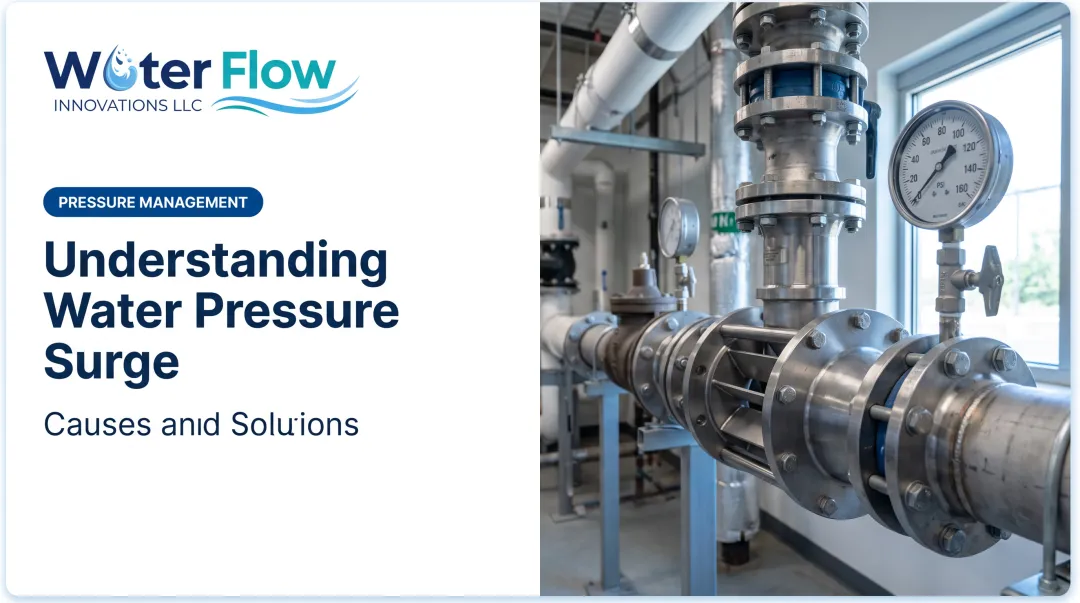
Left unaddressed, fluctuations compound. Water hammer, a sudden pressure spike from abrupt velocity changes, can rupture pipes, damage flow-control equipment, and cause check-valve slam (Mueller Water Products, 2021).
Beyond the physical damage, facilities face:
- Accelerated pump and component wear from constant stress cycles
- Higher energy consumption as pumps work against inconsistent conditions
- Service interruptions that hit especially hard in hospitals, hotels, or manufacturing plants running continuous processes
- Premature failure of seals, joints, and fittings under repeated pressure spikes
Early Warning Signs
Catch these early and you avoid the bigger failures:
- Frequent pump short-cycling or rapid on/off switching
- Unusual noises: banging, whining, or grinding from the pump
- Inconsistent flow at fixtures during simultaneous demand
- Pressure that drops noticeably after the system shuts off (a common leak or check-valve indicator)
How to Prevent Water Booster System Pressure Fluctuations
Prevention isn't one fix. It's proper sizing, routine upkeep, and monitoring working together.
Calibrate and Test Pressure Switches Regularly
Use a calibrated gauge to verify cut-in and cut-out points match manufacturer specs. This prevents erratic cycling and keeps pressure consistent across demand changes. Do this at commissioning and again during annual servicing. Don't wait for symptoms to appear.
Bleed Air and Address Turbulent Flow
Install air release valves and inspect piping for configurations that create turbulence: sharp bends, undersized fittings, or poor inlet transitions. This reduces cavitation risk and stabilizes flow into the booster. Do it after any system maintenance, or as soon as air-entrainment symptoms show up.
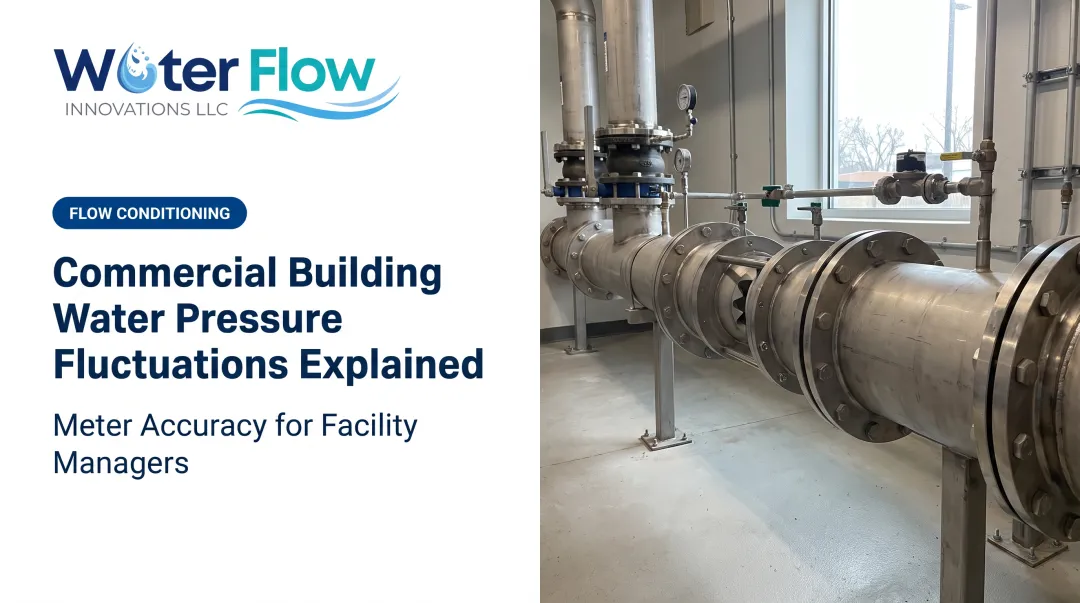
When air and turbulence keep reaching the pump inlet, flow conditioning on the incoming main helps. Water Flow Innovation's Flow Conditioning Device (FCD) installs just after the master meter and before the booster pump. It does not change how the booster is controlled. It stabilizes the water column feeding it.
The FCD uses a four-component design:
- Air/gas separation strips entrained air so the booster sees a steadier, more consistent inlet stream
- Velocity reduction calms the flow enough to limit vortexing and turbulent spikes
- Pressure regulation dampens surges and water hammer before they reach the pump
- Optional check valve helps block reverse flow that can pull air back into the line
The result is smoother feed conditions and more stable booster pressure. The design adds negligible pressure loss. In some high-volume open-discharge installs, facilities see a light 3-5 PSI drop that helps rather than restricts flow.

Size and Maintain Pressure Tanks Correctly
Match tank capacity to peak facility demand, and verify the pre-charge pressure regularly. Manufacturer guidance typically calls for precharge set 5-10 PSI below system operating pressure.
Proper sizing minimizes pump cycling and absorbs surges before they hit the rest of the system. Revisit this during system design, facility expansion, or annual inspections. Expansions are the most common reason tanks fall out of spec.
Clean and Inspect Filters, Strainers, and Impellers
Establish a cleaning schedule based on your water hardness and usage volume. This keeps flow unimpeded and pump load even across all operating cycles. Most manufacturers recommend quarterly checks, though your equipment's specific IOM manual should set the actual interval.

Tips for Long-Term Prevention and Control
Beyond the immediate fixes, a few habits separate facilities that stay ahead of pressure problems from those that keep firefighting:
- Log pressure trends over time — routine gauge monitoring and data logging catch drift before it becomes failure
- Train maintenance staff — teach them to spot early warning signs like short-cycling or unusual noise
- Document everything — inspections, repairs, calibration history — for accountability and warranty purposes
- Adopt smart monitoring — VFDs, sensors, and certified flow conditioning devices like the FCD reduce manual checks and flag issues early
That last step is where a certified FCD fits: it carries IAPMO, NSF/ANSI, CAN 61, KIWA, GMP, and SQF certifications for potable-water contact and manufacturing quality. Units are built from 316L stainless steel, with titanium and specialty alloys available for harsher service conditions.
Conclusion
Pressure fluctuations in booster systems have identifiable, addressable causes: air entrainment, worn switches, undersized tanks, and similar faults. Prevention comes down to consistent maintenance, correct sizing, and monitoring tools that catch problems early.
Facilities that get ahead of these issues protect their equipment, control costs, and avoid the downtime that hits operations, guests, or patients hardest. Whether you're troubleshooting an existing fluctuation or building preventive maintenance into your operations, the earlier you act, the less it costs.
Frequently Asked Questions
How long do water pressure boosters last?
Lifespan varies by manufacturer, usage, and maintenance—there's no single figure. Regular servicing, fixing pressure fluctuations early, and routine component upkeep do the most to extend service life.
What is the most common cause of booster pump pressure fluctuation?
Air entrainment and faulty pressure switches are the two leading culprits. Both cause erratic cycling and inconsistent gauge readings, often appearing together after maintenance work or as equipment ages.
Can low water pressure damage my booster pump system?
Yes. Low suction or supply pressure causes cavitation and entrained air, which accelerate wear on seals, bearings, and impellers. Left unaddressed, that shortens component life and raises the risk of unplanned failure.
How often should a booster pump system be inspected?
Manufacturer schedules vary. A common pattern is monthly visual and noise checks, quarterly tank precharge verification, and annual (or every 4,000-hour) full electrical and mechanical inspections.
Can a small leak really cause noticeable pressure problems?
Yes. Even minor leaks in suction or discharge lines can introduce air into the system or bleed off pressure, amplifying fluctuations well beyond what the leak size might suggest.
Do variable frequency drives (VFDs) eliminate pressure fluctuations?
VFDs help by continuously adjusting pump speed to match demand, but they don't eliminate fluctuations entirely. Below minimum flow thresholds, many systems switch to on/off control, so proper maintenance and calibration still matter.
Does booster-driven air entrainment reach the utility bill?
Yes. Most meters register whatever passes through them and cannot separate air from water, so air introduced by booster cycling is counted as delivered volume and billed on both the water and sewer lines.
What is involved in correcting that at the meter?
A licensed plumber or mechanical contractor fits a custom-built device at the municipal supply connection in about an hour, with a brief water shutoff at the meter connection. Booster pumps, tanks, and VFD settings are left untouched.