Introduction
Water and energy bills rarely spike for one obvious reason. They creep up through small leaks, aging equipment, and habits nobody thinks twice about, until the bill arrives higher than expected.
The scale of the waste is bigger than most people realize. The average U.S. household loses close to 9,400 gallons of water a year to leaks alone, according to EPA WaterSense, enough to run roughly 300 loads of laundry.
On the commercial side, buildings often waste 30% or more of their energy spend on inefficiencies that go unnoticed for years, per ENERGY STAR.
For commercial property owners, those inefficiencies cut straight into operating margins. Households feel it too: combined water, sewer, and electricity costs often run well past $200 a month.
Water and energy bills aren't inherently expensive. Costs climb because of usage habits, aging fixtures, poor maintenance, or hidden issues like meter inaccuracies. This article breaks down how those costs build up, what drives them, and simple strategies—from smarter purchases to daily habits and structural fixes—that bring them back down.
Key Takeaways
- Bills rise from daily habits, aging equipment, and small inefficiencies—not one big expense
- Usage behavior, appliance efficiency, and structural issues drive most of the cost
- Smarter purchases, steady habits, and structural fixes cut water and energy bills
- Biggest savings often hide in leaks, meter accuracy, and insulation—not usage alone
How Costs Around Water and Energy Bills Typically Build Up
Nobody plans to overspend hundreds—or thousands—on water and energy each billing cycle. Costs build gradually, through habits and equipment that quietly work against the facility.
Longer-than-needed rinse cycles in a commercial kitchen. Half-load laundry running on a full cycle. A water heater or boiler well past its efficient years. None of these show up as a single line item. They blend into the total.
The build-up compounds. A small leak in a mechanical room does not waste water once. It wastes it every day, all month, until someone notices. An inefficient heater does not cost slightly more one month and then correct itself. It keeps adding cost until it is repaired or replaced.
That's what makes these costs so easy to miss:
- They rarely appear as a single, obvious expense
- They accumulate silently across billing cycles
- They often surface only when a bill spikes, or a leak turns up during a repair or facility audit
By the time a property or facility owner notices, months (sometimes years) of avoidable cost have already passed. Spotting what drives the numbers early beats reacting after the next high bill.
Key Cost Drivers for Water and Energy Bills
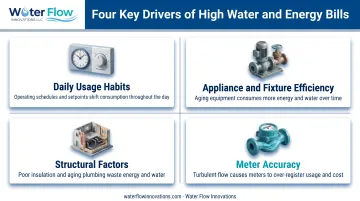
Four factors drive most of what shows up on a water and energy bill: how the facility uses utilities, how efficient the equipment is, how well the building holds onto that energy, and how accurately the utility measures what actually flows through the meter.
Daily Usage Habits
Operating schedules, setpoints, and staff or tenant behavior directly shape monthly costs. Holding common-area cooling at 68°F instead of 72°F, running hotel or multifamily laundry on partial loads, or leaving process and kitchen taps open between tasks all add up over a billing cycle.
Appliance and Fixture Efficiency
Older equipment consumes disproportionately more for the same output:
- A standard electric water heater uses far more energy than an ENERGY STAR certified heat-pump model
- Non-certified commercial clothes washers use roughly 20% more energy and about 30% more water than certified units
- HVAC systems over 10 years old often run well below the efficiency of current ENERGY STAR-rated equipment
Structural Factors
Poor insulation, air leaks around doors and windows, and aging plumbing force systems to work harder than necessary. An HVAC system fighting leaky ductwork or unsealed mechanical rooms burns more energy for the same indoor temperature. A dripping fixture or running toilet wastes water around the clock, often unnoticed until the bill arrives.
Utility-Side Factors: Meter Accuracy
This driver gets less attention, but it matters, especially for larger properties. Water meters measure total volume passing through them. They can't always distinguish clean water from air, micro-bubbles, or turbulence.
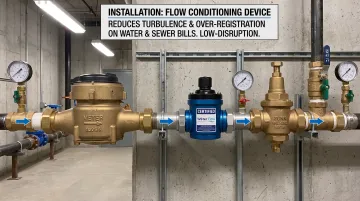
Pipe fittings, valves, and pressure changes near a meter generate turbulent flow. Under certain conditions—including on/off cycling of process equipment, tank fills, or pressure surges—that turbulence can cause meters to register more volume than what's actually delivered.
Because sewer charges are typically billed as a percentage of metered water use, that over-registration often shows up twice: once on the water bill, once on the sewer bill.
Driver importance shifts with context. In multifamily buildings, hotels, and commercial or industrial facilities—where water volumes and pressure cycling run far higher—the biggest and most consistent savings often come from structural and system-level fixes, not from asking tenants or staff to change habits alone.
Simple Strategies to Reduce Water and Energy Bills
Reduction strategies generally fall into three categories: smarter upfront choices, better daily management, and fixes to the surrounding systems and infrastructure. Most guides only cover the first two. The biggest, most consistent savings usually come from combining all three, because habits alone can't fix a leak, and a new appliance can't correct a mismeasuring meter.
Strategies That Reduce Costs Through Smarter Choices
These are decisions made when purchasing, installing, or setting up systems, before daily usage even begins.
- Choose ENERGY STAR certified appliances. Certified washers, dryers, and water heaters use less energy and water than standard models. A certified heat-pump water heater can use up to 70% less energy than a standard electric unit.
- Install low-flow showerheads and faucet aerators. A WaterSense-labeled showerhead caps flow at 2.0 gallons per minute versus the standard 2.5 gpm, saving the average family about 2,700 gallons of water a year, without sacrificing pressure.
- Switch to LED lighting. LEDs use a fraction of the energy of incandescent bulbs and last far longer, cutting both replacement costs and electricity use.
- Review your utility rate plan. Ask your provider about time-of-use programs or a free energy or water audit. Many utilities offer this at no cost, and it can flag savings you'd never spot on your own.
Strategies That Reduce Costs Through Better Daily Management
These strategies focus on how systems are used and maintained once they're in place.
- Adjust thermostat settings seasonally. Around 68°F in winter and higher in summer is the standard recommendation. A programmable or smart thermostat handles the adjustment automatically and can lower annual heating and cooling costs.
- Run full loads only. Dishwashers and washing machines are most efficient when full, and using cold water for laundry avoids the energy cost of heating water unnecessarily.
- Keep up with maintenance. Replace HVAC filters every 2-3 months, service water heaters annually, and fix dripping faucets or running toilets the moment you notice them.
- Cut phantom load. Unplug electronics when not in use or route them through a power strip. Idle devices can account for a real share of a building's electricity use.
Strategies That Reduce Costs by Fixing the Surrounding System
Sometimes the real cost driver isn't usage at all. It's a structural or systemic issue that keeps inflating bills regardless of behavior.
- Improve insulation and seal air leaks. Sealing gaps around doors, windows, and attics reduces the load on heating and cooling systems, often trimming heating and cooling costs by double digits.
- Install whole-property leak detection. Continuous monitoring catches hidden leaks behind walls, under slabs, or in irrigation lines before they compound into large losses.
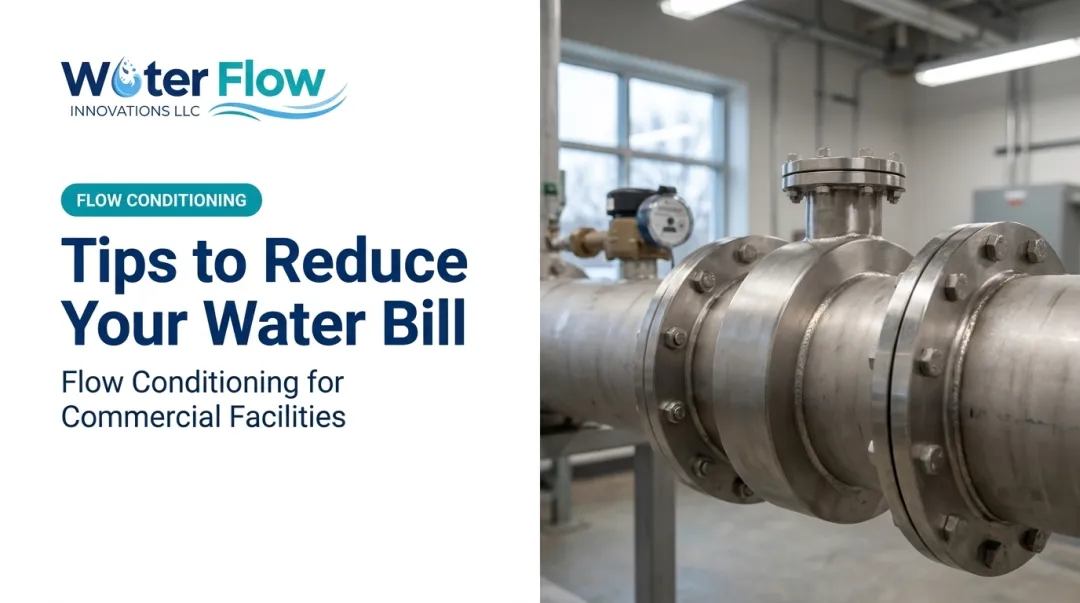
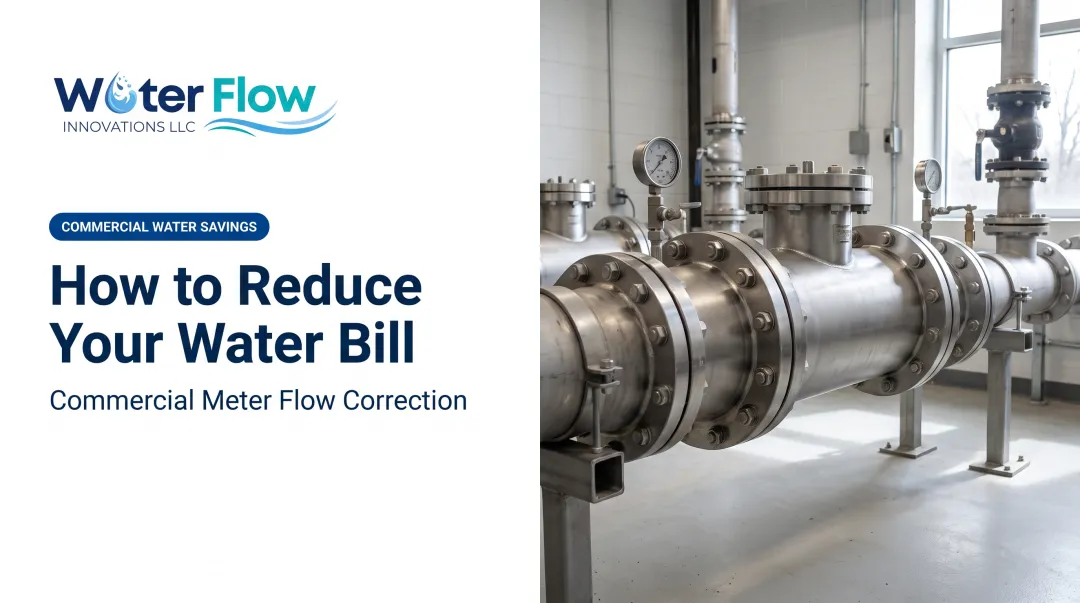
- Address water meter over-registration. For multifamily, commercial, and industrial facilities, this is often the largest untapped saving: meters can over-read when air entrainment and turbulent flow inflate usage. Water Flow Innovation's certified Flow Conditioning Device installs after the municipal meter in about an hour and typically cuts water and sewer bills 5-30%, with no change to pressure or operations.
- Evaluate submetering for multifamily or commercial properties. Structural fixes and individual accountability often deliver more consistent savings than relying on occupant behavior change alone.
Conclusion
Lowering water and energy bills starts with finding where cost actually comes from: a habit, a piece of equipment, or a hidden structural issue. Blind cuts across the board rarely hold.
Lasting savings stack three levers—smarter equipment choices at buy/install time, consistent daily habits, and periodic checks on background systems like plumbing, insulation, and meter accuracy.
For property managers and facility owners, that often means a structural fix such as flow conditioning or submetering that keeps paying off every month without changing how the site runs. Smaller operations may start with tighter leak response and better controls. Either way, the bill drops only after you know what is driving it up.
Frequently Asked Questions
What are some ways to reduce my water bill?
Fix leaks promptly, install low-flow fixtures, and run dishwashers and washing machines only with full loads. For larger properties, check for meter over-registration too, since it can inflate bills without any change in actual usage.
What is the biggest driver of high energy bills?
Heating and cooling typically account for the largest share of building energy costs, followed by water heating and major appliances. Sealing air leaks and maintaining your HVAC system are the fastest ways to bring that number down.
How can I tell if my water bill is unusually high?
Compare bills month-to-month and watch for spikes that don't match a change in your routine. A sudden jump often points to a hidden leak, a running toilet, or in some cases, a meter irregularity.
Do smart thermostats really save money?
Yes. Programmable and smart thermostats automatically adjust temperatures based on your schedule and occupancy, which can cut heating and cooling costs without manual adjustments.
Can a faulty or inaccurate water meter cause my bill to be higher than my actual usage?
Turbulence and air entrainment inside pipes can cause some meters to register more volume than was actually delivered. Certified flow conditioning devices, such as those from Water Flow Innovation, correct that discrepancy.
How quickly can I see savings after making changes to reduce utility bills?
Behavioral changes usually show up on your next billing cycle. Structural fixes—like flow conditioning devices or insulation upgrades—often deliver more consistent savings because they don’t depend on daily habits.
What reduction has been documented from correcting the meter?
An average of 5–30% across combined water and sewer bills, with a highest documented single result of 46%. Because it corrects measurement rather than consumption, no operational or behavioural change is needed to achieve it.
What happens if no reduction materialises?
The device carries a 6-month money-back guarantee on its purchase price, with installation cost non-refundable, so it can be returned if metered consumption does not measurably fall. A lifetime transferable warranty against manufacturing defects also applies.